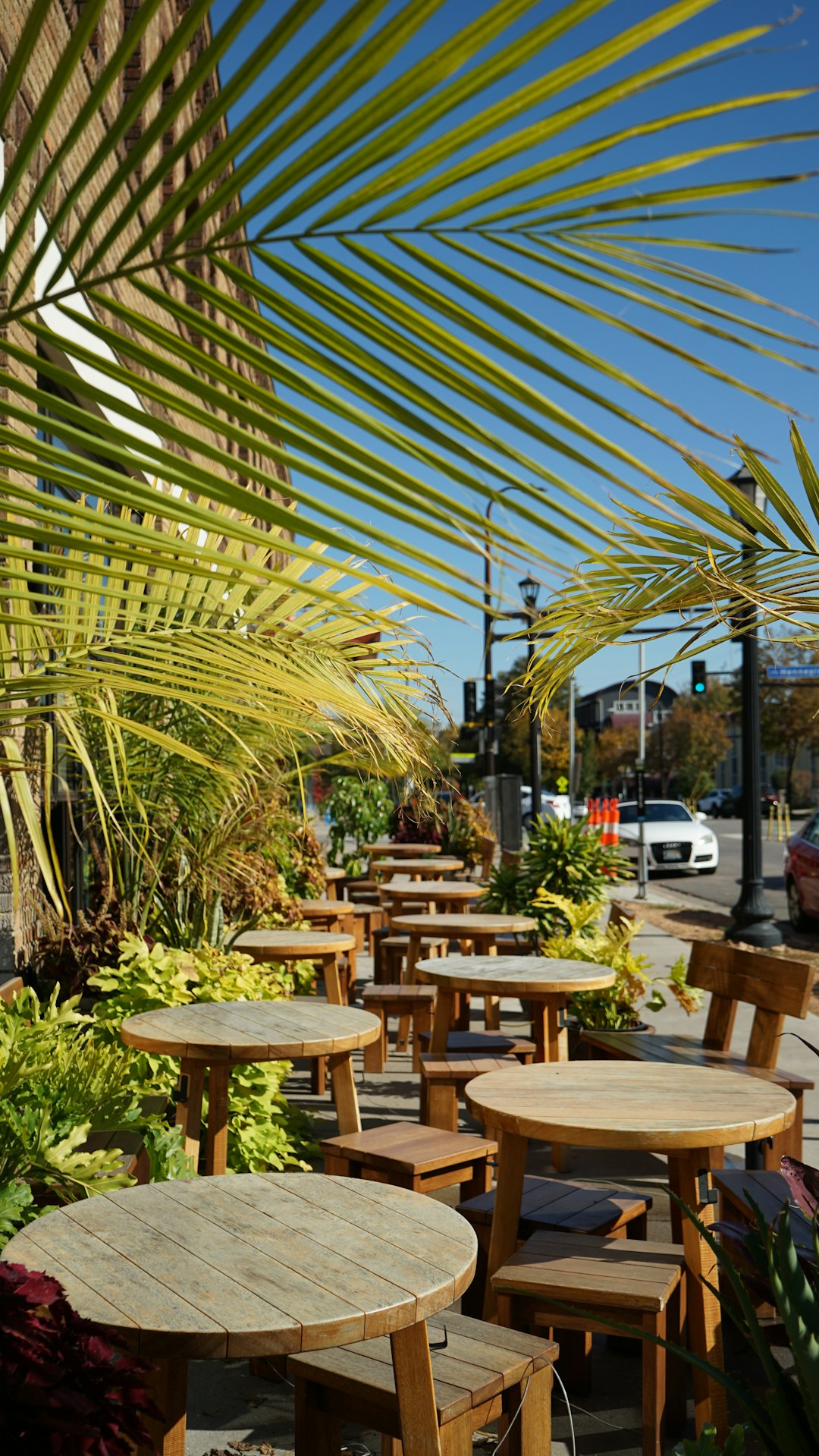
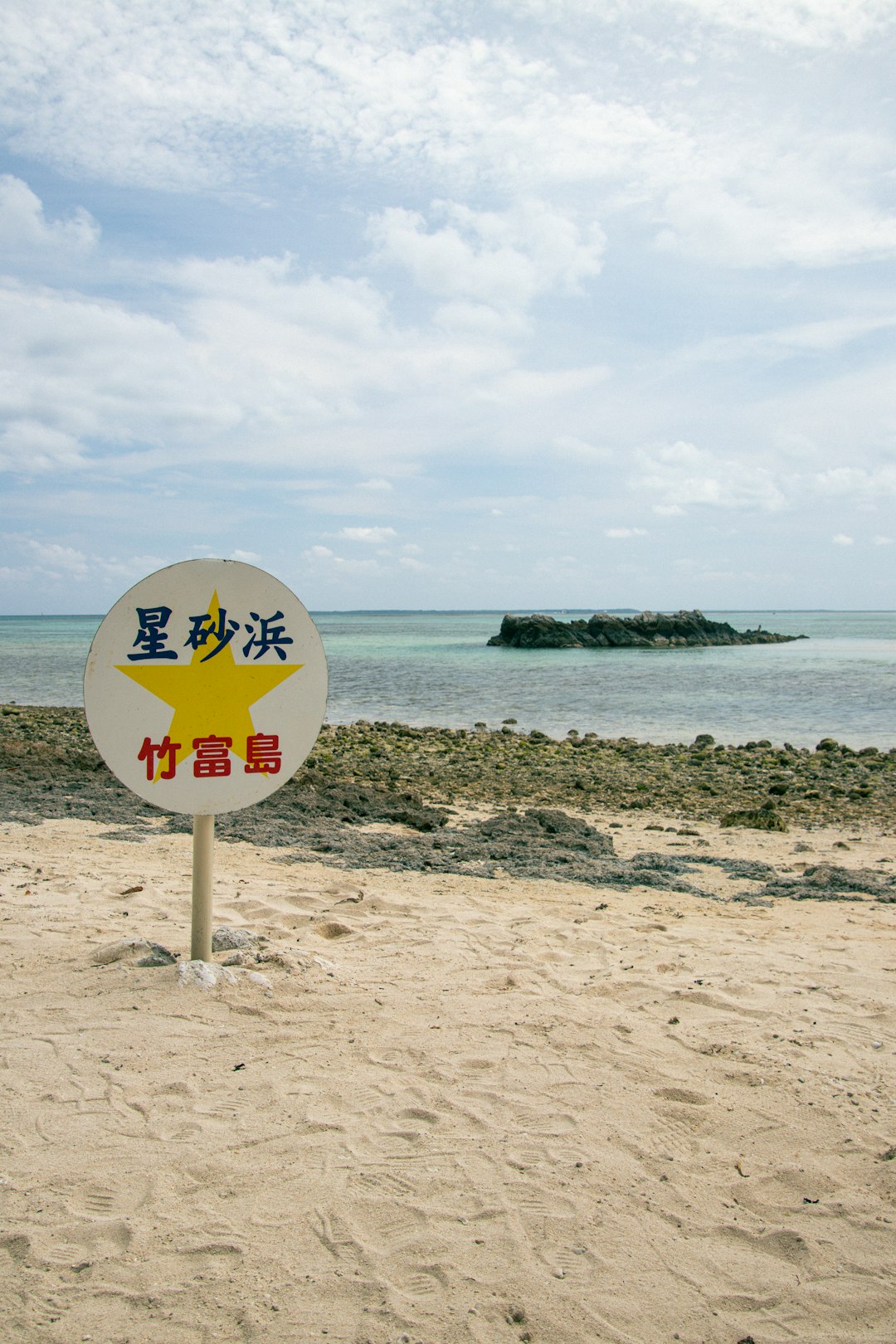
When you step into an Okinawan beach café, you're not just entering another coastal dining spot—you're experiencing the convergence of centuries-old Ryukyuan culture with contemporary café aesthetics. The turquoise waters and white sand beaches provide the backdrop, but it's the unique fusion of tradition and modernity that makes Okinawa's beach food scene unlike anywhere else in Japan.
Over the past decade, Okinawa has transformed from a quiet island destination into a culinary hotspot where ancient ingredients meet Instagram-worthy presentations, where awamori cocktails are reimagined by mixologists, and where the concept of "island time" has been embraced by a new generation of café owners creating spaces that honor both heritage and innovation.
The Cultural Foundation
To understand Okinawan beach café culture, you must first appreciate the islands' unique history. As the former Ryukyu Kingdom, Okinawa developed independently from mainland Japan for centuries, creating a distinct culture influenced by Chinese, Southeast Asian, and later American presence. This multicultural heritage is evident in every aspect of island life, especially in food.
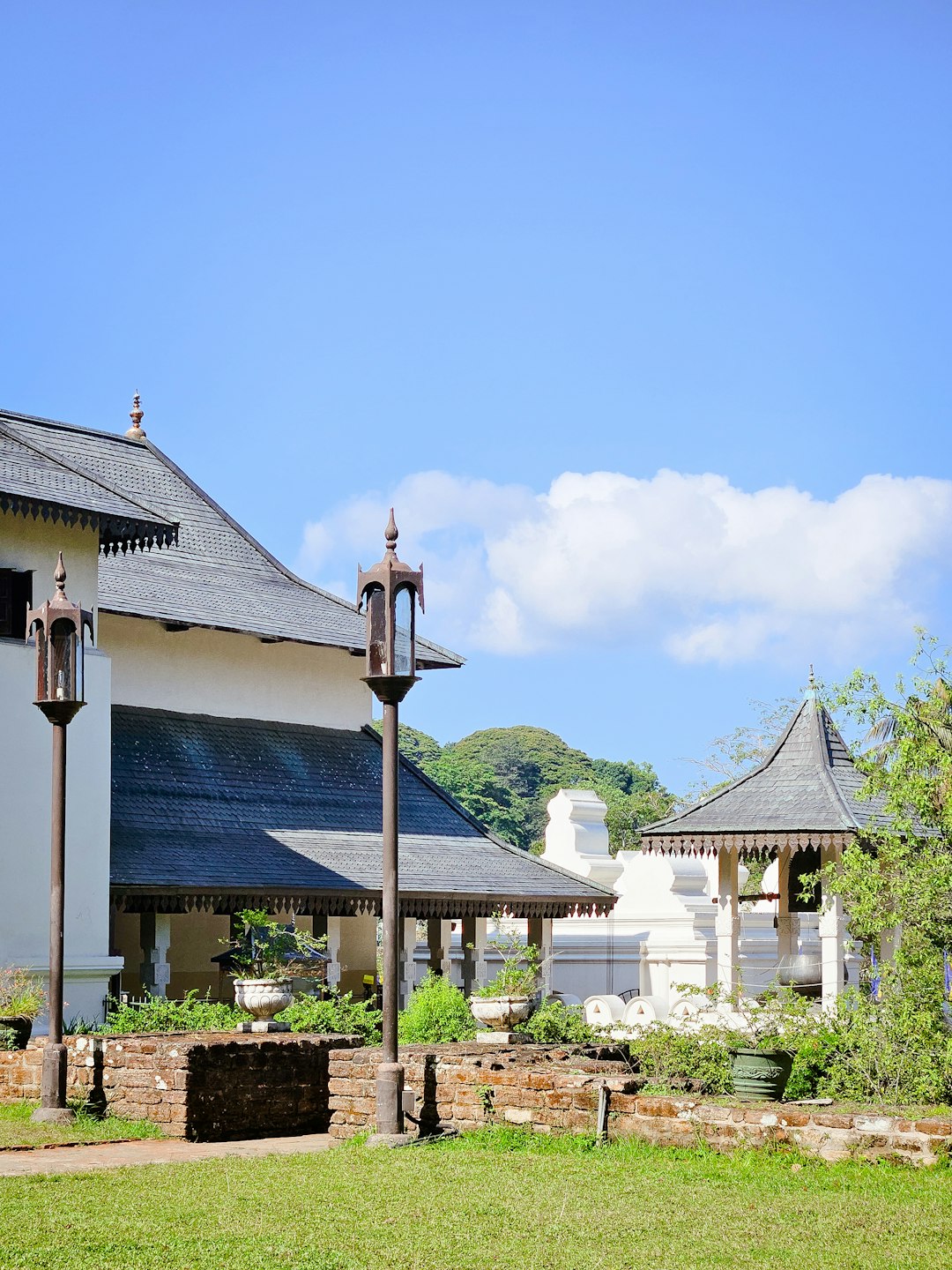
Traditional Ryukyuan cuisine emphasizes longevity and health—concepts that align perfectly with modern wellness trends. Ingredients like goya (bitter melon), umi-budo (sea grapes), and purple sweet potato have been staples for generations. Today's beach cafés are rediscovering and celebrating these ingredients, presenting them in ways that appeal to both local sensibilities and international visitors.
Champuru Culture in Café Form
The Okinawan concept of "champuru" (meaning "mixed" or "jumbled") perfectly describes the island's café evolution. Just as champuru dishes combine diverse ingredients into harmonious meals, modern Okinawan beach cafés blend elements from various cultures and eras.
🥥 Signature Okinawan Café Elements
- Shikuwasa Drinks: This native citrus appears in everything from craft sodas to cocktails, offering a tart, refreshing flavor unique to the islands
- Okinawa Soba Cafés: Traditional noodle dishes reimagined as casual beach fare, often served chilled in summer
- Brown Sugar Specialties: Kokuto (Okinawan brown sugar) features in desserts, coffee drinks, and even savory glazes
- Taco Rice Evolution: Originally an American-influenced dish, now elevated by creative chefs using local ingredients
- Sea Grape Presentations: These salty, popping seaweed pearls appear as garnishes and salad components
Architectural Identity
Walk along Okinawa's beaches and you'll notice the cafés themselves tell a story. Unlike the sleek modernism of Shonan or the refined minimalism of the Seto Inland Sea, Okinawan beach establishments often embrace a tropical aesthetic that feels both authentic and carefully crafted.
Many cafés incorporate traditional architectural elements: red-tiled roofs inspired by Ryukyuan castles, shisa (lion-dog guardians) watching over entrances, and open-air designs that maximize natural ventilation—a practical necessity in the subtropical climate that has become a defining feature of the island café experience.
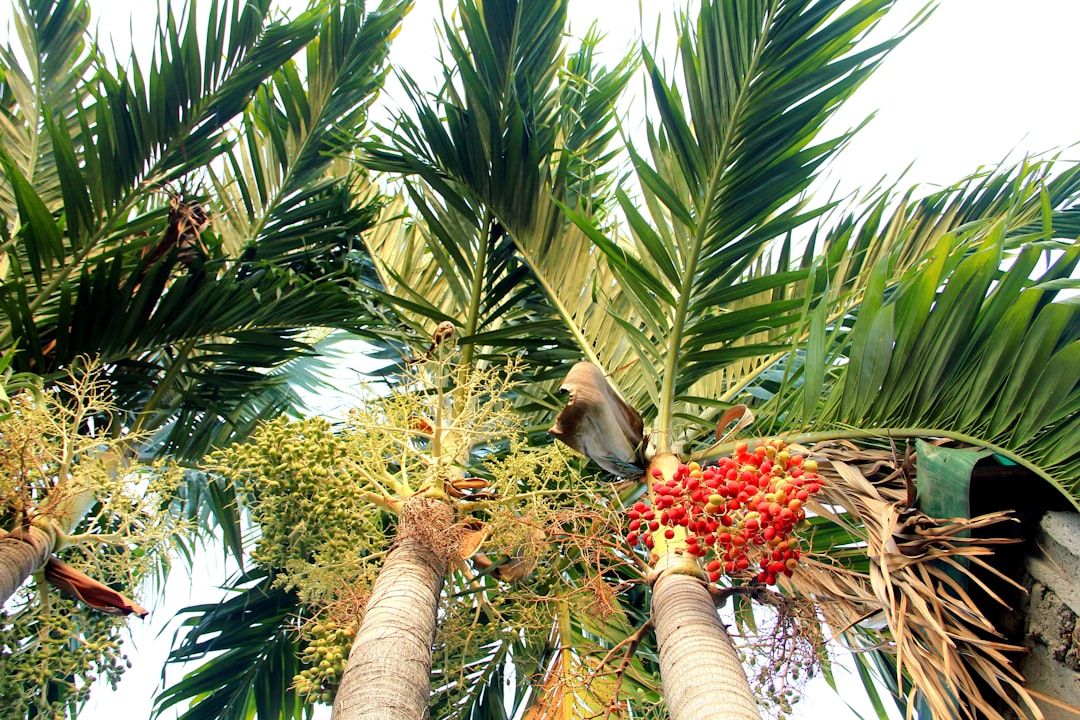
The color palette tends toward natural materials—weathered wood, coral stone, and thatch—punctuated by the vibrant blues of the surrounding ocean. This creates spaces that feel simultaneously rustic and refined, casual yet intentional. It's a delicate balance that reflects the Okinawan approach to life: relaxed but never careless, simple but deeply considered.
The American Influence
It would be impossible to discuss Okinawan café culture without acknowledging the lasting American presence. Unlike mainland Japan, where American influence was primarily post-World War II, Okinawa's relationship with American culture is more complex and enduring, with significant U.S. military bases still operating on the islands.
This has created interesting culinary hybrids. Breakfast culture—relatively uncommon in traditional Japanese cafés—is robust in Okinawa. Pancakes, French toast, and elaborate breakfast platters are standard offerings, often incorporating local ingredients. The concept of "brunch" has been enthusiastically embraced, with cafés creating all-day breakfast menus that draw both locals and tourists.
— Kenji Yamashiro, Okinawan Food Historian
The Wellness Connection
Okinawa is famous for having one of the world's highest concentrations of centenarians—people living past 100 years. This longevity is often attributed to diet, and modern beach cafés are capitalizing on this heritage by positioning themselves as wellness destinations.
Menus frequently highlight the health benefits of ingredients: antioxidant-rich goya juice, protein-packed tofu champuru, mineral-rich mozuku seaweed. It's marketing, certainly, but it's also rooted in genuine tradition. The Okinawan concept of "nuchi gusui" (food is medicine) permeates the café scene, with many establishments offering dishes specifically designed for health-conscious visitors.
Smoothie Bowl Revolution
Perhaps no single item represents the fusion of Okinawan tradition and modern café trends better than the smoothie bowl. Dragon fruit (pitaya), which grows abundantly in Okinawa, forms vibrant pink bases. These are topped with local banana, mango, passion fruit, and increasingly, traditional Okinawan ingredients like kokuto granola or beni-imo (purple sweet potato) chips.
What could be dismissed as a global trend takes on local character through ingredient choices and preparation methods. The result is something that feels both familiar to international visitors and authentically Okinawan—a perfect encapsulation of the island's café philosophy.
The Social Aspect
Okinawan culture has always emphasized community and social connection. The concept of "yuimaru" (mutual assistance and cooperation) extends to café culture, where establishments often become community gathering points rather than merely transactional dining spots.
Many beach cafés host live music—everything from traditional Okinawan sanshin (three-stringed instrument) performances to contemporary island reggae. These events create a sense of occasion around café visits, transforming them from simple meal stops into social experiences that can last hours.
🎵 Experiencing Okinawan Café Culture
Best Times to Visit: April through October offers optimal beach weather, but September-October provides the best balance of warm temperatures and fewer crowds.
Must-Try Drinks: Shikuwasa sour, Orion beer (local brewery), awamori cocktails, and sanpin-cha (jasmine tea served cold).
Cultural Note: "Nankurunaisa" is a common Okinawan phrase meaning "everything will work out"—embrace this relaxed philosophy when visiting island cafés.
Sustainability and Future Directions
As tourism increases, Okinawan beach cafés are grappling with sustainability challenges. Progressive establishments are leading initiatives to protect the very environment that makes them special: partnering with local fishermen for sustainable catches, reducing single-use plastics, composting food waste, and even participating in beach cleanup programs.
Some cafés are taking education roles, teaching visitors about coral reef protection and responsible tourism. This aligns with traditional Okinawan values of environmental stewardship while addressing modern ecological concerns. It's yet another example of how the island's café culture bridges past and present.
Looking Forward
The rise of Okinawan beach food culture represents more than just a dining trend—it's a reclamation and celebration of island identity. As younger generations of Okinawans return to the islands or choose to stay rather than migrate to mainland opportunities, many are choosing the café and restaurant industry as a way to honor their heritage while building modern businesses.
These entrepreneurs are creating spaces that feel distinctly Okinawan: welcoming, unhurried, health-conscious, culturally rich, and always, always connected to the ocean. They're proving that tradition and innovation aren't opposing forces but complementary elements that, when properly balanced, create something greater than either could achieve alone.
Whether you're sipping a shikuwasa cocktail as the sun sets over the East China Sea, enjoying a goya smoothie bowl after a morning swim, or simply watching the waves while nursing a pour-over coffee, you're participating in a cultural moment—one where Okinawa's past, present, and future converge in the most delicious way possible.