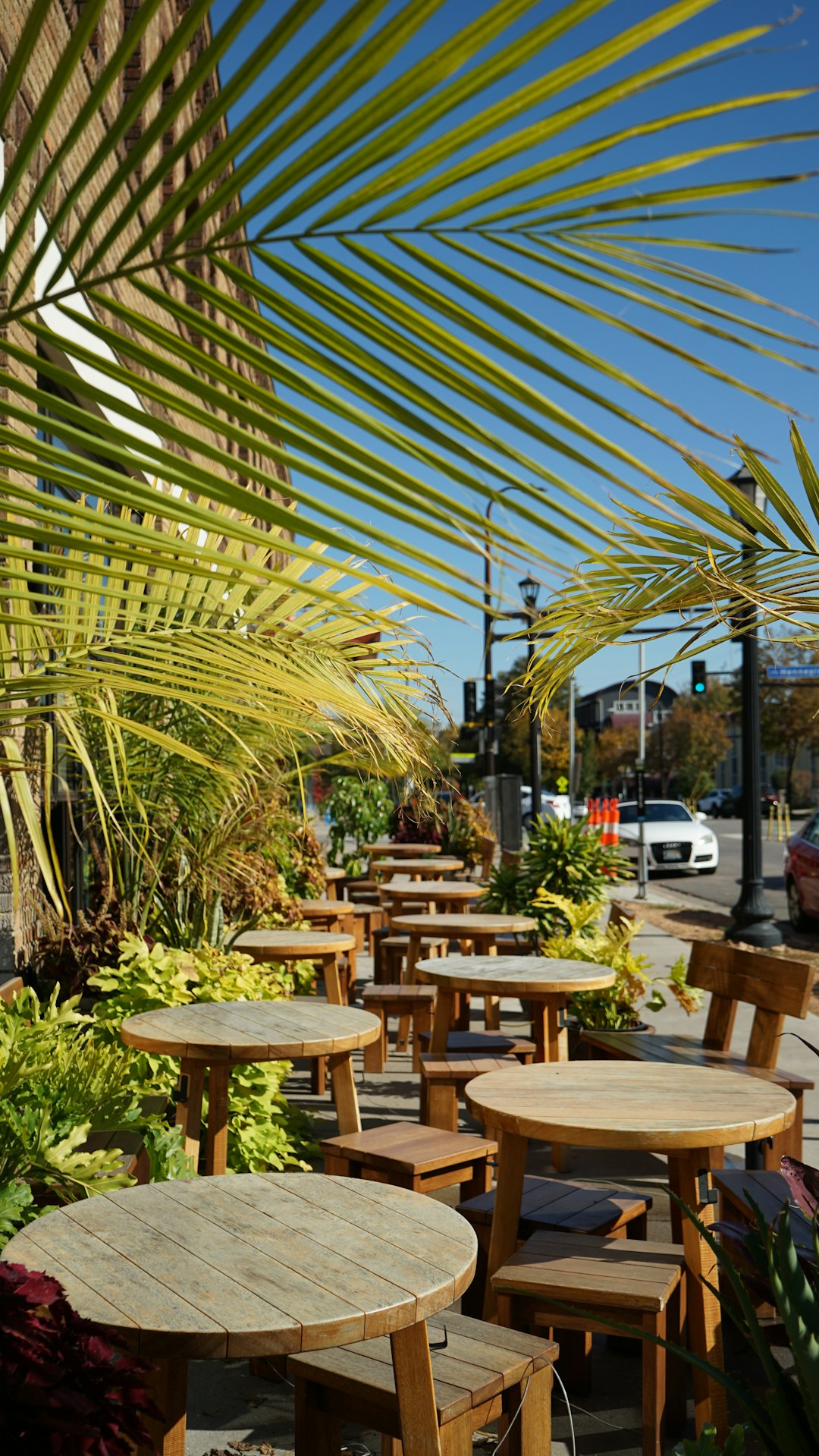
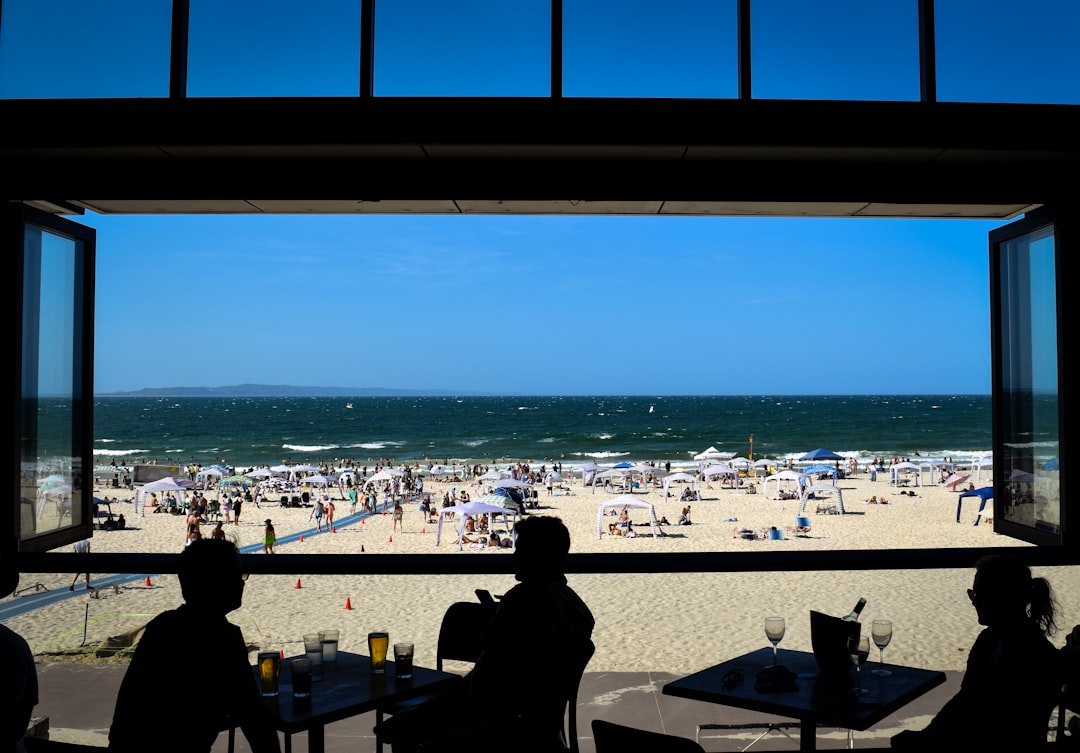
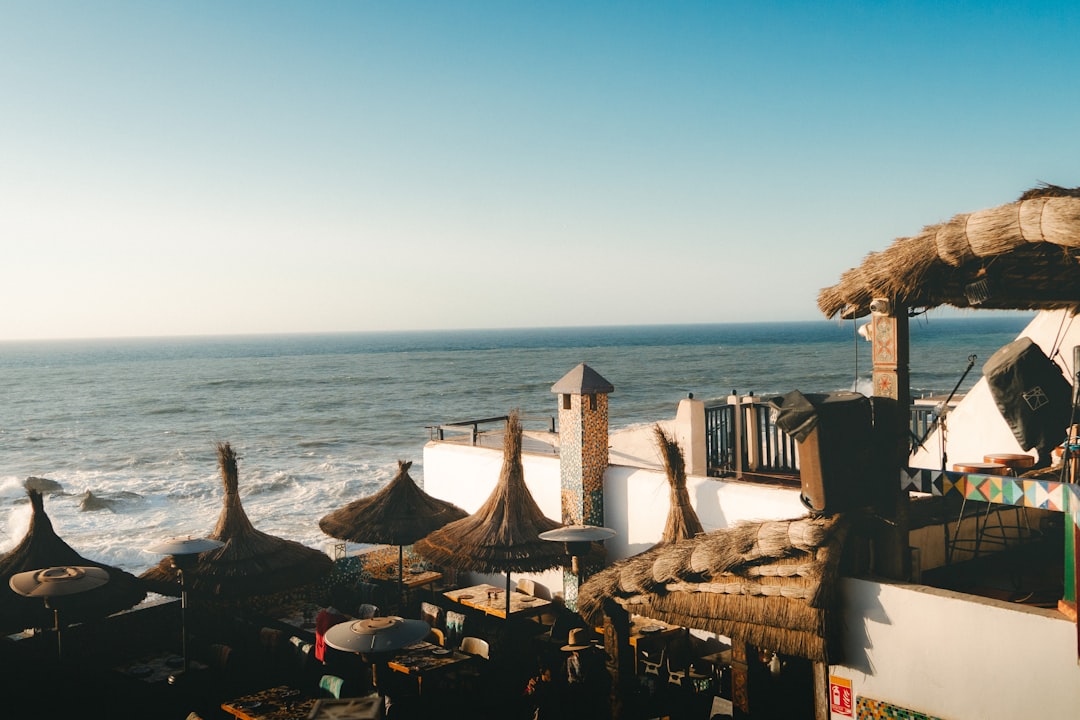
There's a particular magic that happens at beach cafés during golden hour—that ethereal period when the sun paints the sky in brilliant oranges, pinks, and purples. The ocean reflects these colors, conversations soften, and even the most ordinary moment feels cinematic. But catching this magic requires more than just showing up; it demands understanding the rhythms of light, the variations across seasons and regions, and the unspoken rules of sunset viewing etiquette at Japanese coastal cafés.
This comprehensive guide will help you time your visits perfectly, secure the best seats, and make the most of one of nature's most reliable spectacles along Japan's beautiful coastline.
Understanding Japan's Sunset Variations
Japan's elongated geography creates significant sunset time variations. The difference between Okinawa in the south and Hokkaido in the north can be over 90 minutes during certain times of year. Even within popular beach café regions, variations exist that impact planning.
📅 Approximate Sunset Times by Region and Season
| Region | Spring (Mar-May) | Summer (Jun-Aug) | Autumn (Sep-Nov) | Winter (Dec-Feb) |
|---|---|---|---|---|
| Okinawa | 6:30-7:00 PM | 7:15-7:30 PM | 6:00-6:45 PM | 5:45-6:15 PM |
| Shonan (Tokyo Area) | 5:45-6:30 PM | 6:30-7:00 PM | 5:15-6:00 PM | 4:30-5:00 PM |
| Seto Inland Sea | 6:00-6:40 PM | 6:45-7:15 PM | 5:30-6:15 PM | 5:00-5:30 PM |
| Kyushu West Coast | 6:15-7:00 PM | 7:00-7:30 PM | 5:45-6:30 PM | 5:15-5:45 PM |
Note: These are approximate ranges. Actual times vary by specific location and date. Always check local sunset times for your visit date.
Golden Hour Explained
Photographers obsess over golden hour for good reason—the light during this period is unmatched. Golden hour actually consists of two phases that are crucial for beach café timing:
First Golden Hour: Begins approximately one hour before sunset. The sun is low enough to cast warm tones but high enough to provide good illumination. This is ideal for arriving, ordering, and settling in.
Second Golden Hour (Magic Hour): The 20-30 minutes immediately before and after sunset when colors are most dramatic. This is the peak moment everyone wants to capture.
For the optimal beach café experience, arrive during first golden hour to secure your spot and enjoy the full transformation of light.
Seasonal Considerations
Summer Sunsets (June - August)
Summer offers the latest sunsets, giving you extended evening light. However, this is also peak season, meaning cafés are crowded. The trade-off: longer days mean you can enjoy beach activities and still catch sunset without rushing.
☀️ Summer Strategy
- Arrive 90 minutes before sunset during weekends to secure good seats
- Consider weekday visits when crowds are manageable even with less advance planning
- The light remains good well past sunset, so don't rush—linger and enjoy the twilight
- Many cafés extend hours during summer; verify closing times to avoid being rushed
Autumn Sunsets (September - November)
Many photographers and café enthusiasts consider autumn the golden season for sunset viewing. The air is typically clearer than summer, creating more vivid colors. Temperatures are comfortable, crowds thin out after summer, and the earlier sunset times (compared to summer) mean you can enjoy dinner at prime time.
September and October are particularly special—warm enough for terrace seating but cool enough to avoid summer's intensity. The light has a different quality too, with autumn's lower angle creating longer, more dramatic shadows.
Winter Sunsets (December - February)
Winter brings the earliest sunsets, which might seem like a disadvantage but actually offers unique benefits. The 4:30-5:30 PM sunset range means you can enjoy golden hour without waiting until evening. The air is often exceptionally clear in winter, creating some of the sharpest, most vibrant sunset colors of the year.
The challenge is temperature—even in relatively mild coastal regions, evening winds off the ocean can be cold. Many cafés provide blankets for outdoor seating or offer excellent window seats that provide views without exposure.
Spring Sunsets (March - May)
Spring represents the transition period, with steadily lengthening days and improving weather. Late March through May offers excellent conditions—comfortable temperatures, relatively dry weather, and moderate crowds. Cherry blossom season (late March to early April) creates special moments at certain coastal locations where sakura trees frame ocean views.
The Art of Arrival Timing
Knowing sunset time is only half the equation. The other half is understanding when to arrive relative to that time. This varies based on several factors:
Casual Beach Cafés
Arrive 45-60 minutes before sunset. These spots typically don't take reservations and operate on first-come basis. Earlier arrival ensures seat choice.
Restaurant-Cafés
Book sunset time slots 3-7 days ahead during peak season. Arrive 60-90 minutes before sunset to order and receive food before the main event.
Beach Bars & Lounges
Sunset is their peak time. Arrive 60-75 minutes early for prime seating. Many operate waiting lists—get your name down early.
Instagram-Famous Spots
Popular photogenic cafés need 90+ minute advance arrival on weekends. Weekday timing can be more relaxed (45-60 minutes).
— Takeshi Morita, Coastal Photographer
Reading Weather Conditions
Not all sunsets are created equal, and weather significantly impacts the experience. Here's how to read conditions for optimal timing:
Cloud Coverage
Clear Skies (0-10% clouds): Produce vibrant but relatively simple sunsets. Colors peak right at sunset and fade quickly afterward. Arrive on time.
Partial Clouds (30-60%): Often produce the most spectacular sunsets as clouds catch and reflect colors. The show can last 20-30 minutes past actual sunset. Consider arriving slightly earlier to catch the full evolution.
Overcast (80%+ clouds): Can surprisingly produce beautiful diffused light, especially if clouds break near the horizon. These sunsets are subtler but can create unique atmospheric conditions. Still worth experiencing, but manage expectations.
Seasonal Weather Patterns
Rainy Season (June-July): More unpredictable conditions but when clouds break, they create dramatic lighting. Have backup dates if possible.
Typhoon Season (August-September): Avoid days immediately before typhoons but the day after typhoons pass often brings exceptionally clear air and vivid sunsets.
Winter High Pressure: December through February often brings long stretches of clear, stable weather—the most reliable season for consistent sunset viewing.
Photography Considerations
If capturing the moment is part of your café experience, timing becomes even more critical:
📸 Photographer's Timeline
90 minutes before: Scout angles and compose shots. Order quickly so you're not distracted during peak light.
60 minutes before: Begin shooting pre-sunset atmosphere—the café with golden light, people enjoying the setting, details.
30 minutes before: Focus on the evolving sky and reflections. The light is changing rapidly now.
15 minutes before to 15 minutes after: This is your priority period. Capture the full sunset sequence.
15-30 minutes after: Don't pack up yet. Blue hour (twilight) creates entirely different moods worth capturing.
Etiquette During Sunset
Sunset time at popular cafés can feel like a shared community experience. Respect these unspoken rules:
- Don't stand in front of seated guests for extended photography sessions
- Keep voices moderate—many people are trying to absorb the moment peacefully
- If you need to move around for photos, do so quickly and apologize for any disruption
- Respect café policies about tripods and professional equipment
- Don't save multiple seats beyond your actual party size during peak sunset hours
Technology Tools for Planning
Several apps and websites can help refine your sunset timing:
SunCalc: Shows precise sunset times and light angles for any location. Particularly useful for understanding where the sun will set relative to café positioning.
Golden Hour Calculator: Calculates exact golden hour and blue hour times.
Weather Apps: Japanese weather services like Tenki.jp or international apps like Windy provide detailed cloud cover predictions.
Instagram Location Tags: Search café locations to see what times others post their sunset photos—crowdsourced timing intelligence.
When Plans Change
Despite perfect planning, you might miss the sunset. This isn't failure—it's an invitation to discover alternatives:
Blue Hour: The 20-40 minutes after sunset offers its own magic with deep blue skies and the first stars appearing.
Night Beach Cafés: Some locations are equally beautiful after dark with ambient lighting and moonlit water.
Sunrise Alternative: Beach cafés at sunrise are virtually empty and offer equally spectacular light. Yes, it requires early rising, but you'll have prime spots to yourself.
🌅 Final Sunset Timing Tips
- Check sunset times the day before your visit—they change daily
- Factor in 15-20 minutes for ordering and receiving drinks before sunset
- West-facing locations obviously offer direct sunset views, but south-facing can provide beautiful reflected light
- Don't rush to leave after sunset—the light continues evolving beautifully for 20-30 minutes
- Remember that the journey is part of the experience—even imperfect sunsets make memorable café moments
Perfect timing transforms a good beach café visit into an unforgettable experience. But remember that even with meticulous planning, nature operates on its own schedule. Sometimes clouds obscure the sunset. Sometimes you arrive late. Sometimes the magic happens on an ordinary Tuesday afternoon when you least expect it. The key is creating opportunities for those moments to occur—and that starts with understanding timing.
So check those sunset times, arrive with buffer room, order something delicious, and settle in to watch one of Earth's most reliable shows unfold over Japan's beautiful coastline. The ocean will still be there tomorrow, but each sunset is unique—make time to witness them properly.