Stepping into a Japanese beach café as a foreign visitor can feel like navigating two worlds simultaneously—the relaxed, international vibe of beach culture and the more structured expectations of Japanese service customs. The good news? Beach cafés tend to be among the most forgiving environments for cultural missteps, but understanding proper etiquette transforms your experience from awkward uncertainty to confident enjoyment.
This guide breaks down what you actually need to know, cutting through the noise of overly formal "Japan etiquette" lists to focus on practical behaviors that matter in real beach café situations.
The Fundamentals: What Actually Matters
Before diving into specific scenarios, let's establish a framework. Japanese café etiquette rests on three pillars that apply whether you're in a formal Tokyo establishment or a casual Okinawan beach shack:
Consideration for Others: Your actions shouldn't negatively impact other customers' experiences. This drives many specific rules.
Respect for the Space: The café is someone's business and creative expression. Treat it accordingly.
Clarity in Communication: Make your needs and intentions clear to avoid misunderstandings that inconvenience staff or other patrons.
Keep these principles in mind, and even if you make technical mistakes, your good intentions will be apparent.
Entering and Seating
The Moment You Arrive
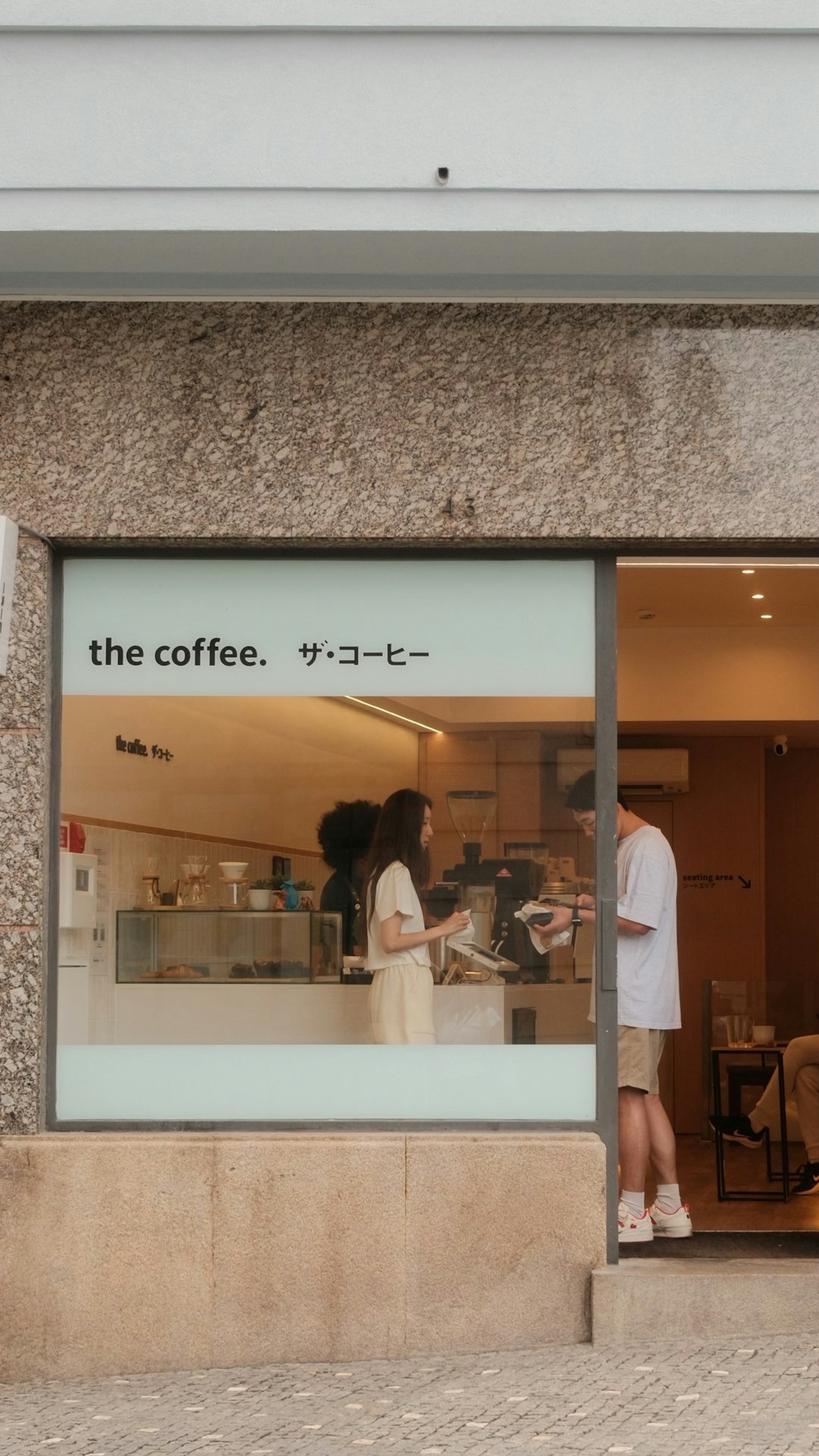
Unlike many Western establishments where you might choose your own seat, Japanese cafés—including beach locations—typically seat guests. Here's the standard protocol:
Wait at the Entrance: Don't proceed directly to an open table. A staff member will greet you, usually with "Irasshaimase" (welcome). Wait for acknowledgment.
Indicate Party Size: Hold up fingers to show how many people. If you don't speak Japanese, this universal gesture works perfectly. For two people: "Futari" (foo-tah-ree).
Express Preferences (Optional): If you want terrace seating or a specific area, now's the time to mention it. "Terasu ga ii desu" (terrace please) or simply pointing works.
Follow the Staff: They'll guide you to a table. Don't deviate to grab a "better" spot you noticed.
🏖️ Beach-Specific Entry Considerations
Many beach cafés have outdoor showers or foot-washing stations. Use them. Tracking sand inside, especially in volume, is the fastest way to earn disapproving glances. If you're coming directly from the beach:
- Rinse your feet thoroughly at provided washing stations
- Put on a cover-up over swimwear (many cafés prefer this for interior seating)
- If your beach bag is sandy, ask if there's outdoor storage or carry it carefully
- Wet swimwear should be covered—bring a towel to sit on if needed
Ordering: The Core Ritual
The ordering process at Japanese cafés follows patterns that might differ from what you're accustomed to. Understanding these reduces stress for everyone involved.
Reading the Menu
Many beach cafés now offer picture menus or English translations, but not all. If you're facing a Japanese-only menu:
- Use Your Phone: Google Translate's camera function works remarkably well for menu translation
- Look for Pictures: Many menus include photos of popular items
- Ask for Recommendations: "Osusume wa nan desu ka?" means "What do you recommend?"
- Point and Nod: When all else fails, pointing at menu items while saying "Kore onegaishimasu" (this please) is perfectly acceptable
The Minimum Order Reality
During busy times, especially sunset hours, most cafés have an unwritten (sometimes written) expectation that each person orders at least one drink. Some establishments make this explicit with signs, but even without signage, it's standard practice.
This isn't about extracting money—it's about fairness. Premium seating with ocean views during peak times has value. Occupying space without ordering appropriately prevents other customers from enjoying the café.
✓ Ordering Do's
- Order at least one drink per person, even for short visits
- Ask about items you're unsure about before ordering
- Order additional items if staying longer than an hour during busy times
- Indicate any allergies clearly—"Allergy ga arimasu" followed by pointing to allergen translation card
- Order incrementally rather than everything at once if you're staying a while
- Use the table call button if provided, or make eye contact and slightly raise your hand to get server attention
✗ Ordering Don'ts
- Don't snap fingers or wave aggressively to get attention
- Don't order one drink for a group and expect to occupy a table for hours
- Don't bring outside food or drinks unless you've confirmed it's acceptable
- Don't modify menu items extensively—simple requests are fine, but elaborate changes may not be accommodated
- Don't expect free water automatically—ask for it: "Omizu kudasai"
- Don't split checks extensively—many cafés prefer one payment per table
During Your Visit
Volume and Atmosphere
Beach cafés exist in an interesting middle ground—more relaxed than urban establishments but still Japanese in their appreciation for moderate volume levels. The goal is creating a relaxed atmosphere where everyone can enjoy their experience without being overwhelmed by neighboring tables.
Good Practice: Conversation at normal volume. Laughter is fine—forced hushed tones aren't necessary. Just avoid the volume you might use in a crowded bar.
Phone Calls: If you must take a call, step outside or at least away from the main seating area. Extended phone conversations at your table are considered inconsiderate.
Music and Videos: Use headphones. Playing media audibly from your device is never acceptable, even at low volume.

Photography Etiquette
Beach cafés are inherently photogenic, and taking pictures of your food, drinks, and the view is completely normal and expected. However, there are boundaries:
Your Table & View
Completely acceptable. Snap away. Take a hundred sunset photos if you want. This is your space and experience.
Other Customers
Always ask permission before including identifiable people in your shots. Candid photos of strangers are invasive.
Staff Members
Ask before photographing staff. Some don't mind; others prefer privacy. A quick "Shashin ii desu ka?" (photo okay?) shows respect.
Video and Tripods
Professional equipment usually requires permission. For personal use during non-busy times, it's often okay, but ask first if bringing substantial gear.
Stay Duration
The Japanese concept of "reading the air" (kuuki wo yomu) applies to knowing when it's time to leave. Beach cafés are more flexible than urban spots, but awareness still matters:
Non-Busy Times: Stay as long as you'd like, as long as you're ordering periodically (roughly every hour).
Moderate Crowds: Two to three hours is reasonable. If you've finished your food/drinks and people are waiting, consider moving on.
Peak Times (Sunset): If people are waiting and you've been there over two hours, it's considerate to free up your spot, especially if you have prime seating.
That said, don't feel rushed. Staff will never directly ask you to leave. If they need the table, they might politely inquire if you'd like anything else (a soft signal), but this is rare at beach cafés.
Payment Process
The payment ritual at Japanese cafés has specific protocols that confuse many first-time visitors:
The Standard Process
Request the Check: Say "Okaikei onegaishimasu" or make a writing gesture in the air (universal check signal).
Receive the Bill: Usually comes in a small tray or folder. Review it.
Pay at the Register: In most beach cafés, you take the bill to the register near the exit. Don't wait for server to collect payment at your table (though some cafés do operate this way).
Place Money in the Tray: If paying cash, don't hand it directly to the cashier. Place it in the small tray provided. This isn't about avoiding contact—it's standard practice for handling money.
Receive Change: Staff will place your change in the tray. Take it and any receipt.
No Tipping: Leaving money on the table or adding to the bill is not done in Japan. Tipping can actually cause confusion or offense. Your appreciation is shown through polite behavior and phrases.
💳 Payment Methods
Cash is Still King: While card acceptance is increasing, especially at tourist-heavy locations, many smaller beach cafés remain cash-only. Always carry yen.
Credit Cards: If accepted, look for stickers near the entrance or register (Visa, Mastercard logos).
Mobile Payment: PayPay and other Japanese mobile systems are growing but aren't universal. Don't rely on them.
Large Bills: Having smaller denominations makes transactions smoother. Breaking a ¥10,000 note for a ¥500 coffee, while not refused, is slightly awkward.
Essential Phrases
You don't need fluent Japanese, but a few key phrases dramatically improve your café experience:
Special Situations
Going with Japanese Friends
If you're visiting with Japanese companions, let them take the lead initially, but don't be completely passive. Japanese friends appreciate when foreign guests make an effort to engage with staff directly, even if imperfectly.
Children at Beach Cafés
Japanese society is generally welcoming toward children, but expectations exist:
- Keep volume reasonable—kids can be kids, but screaming isn't acceptable
- Don't let children run around the café freely
- Clean up any messes your children make
- If a child is being disruptive, taking them outside briefly is appreciated
Solo Dining
Solo café visits are completely normal in Japan—no awkwardness required. In fact, many cafés have counter seating specifically designed for solo guests. Don't feel obligated to sit quickly or leave promptly if dining alone.
— Cultural Exchange Perspective
When Things Go Wrong
Mistakes happen. You'll probably commit a minor faux pas at some point. Here's what matters:
Apologize Simply: A quick "Sumimasen" (sorry) covers most situations.
Don't Overcorrect: Excessive apologies can make everyone more uncomfortable. Acknowledge the mistake briefly and move on.
Learn for Next Time: If you notice you've done something wrong, adjust your behavior going forward.
Remember Context: Beach cafés are forgiving environments. Staff understand you're a visitor and don't expect perfection.
Final Perspective
Japanese café etiquette might seem complex from the outside, but it's fundamentally about consideration—for staff, other customers, and the space itself. Beach cafés amplify the relaxed side of this equation while maintaining core principles of respect and awareness.
You'll be forgiven for not knowing every nuance. What matters is approaching the experience with good intentions, willingness to observe and adapt, and genuine appreciation for the culture you're experiencing. The beautiful irony of Japanese hospitality is that it's simultaneously exacting in its standards and extraordinarily forgiving of sincere efforts to meet them.
So enter that beach café with confidence. Wait to be seated. Order something delicious. Say thank you when you leave. And most importantly, relax and enjoy the experience—that's what beach cafés are fundamentally about, regardless of which side of the counter you're on.