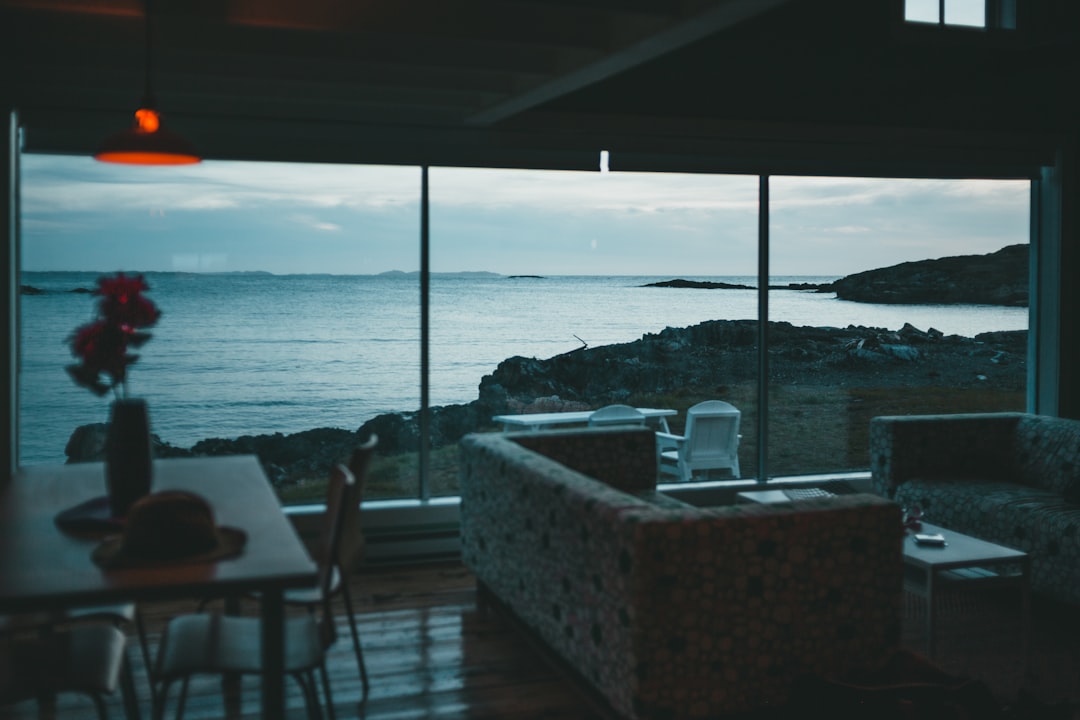
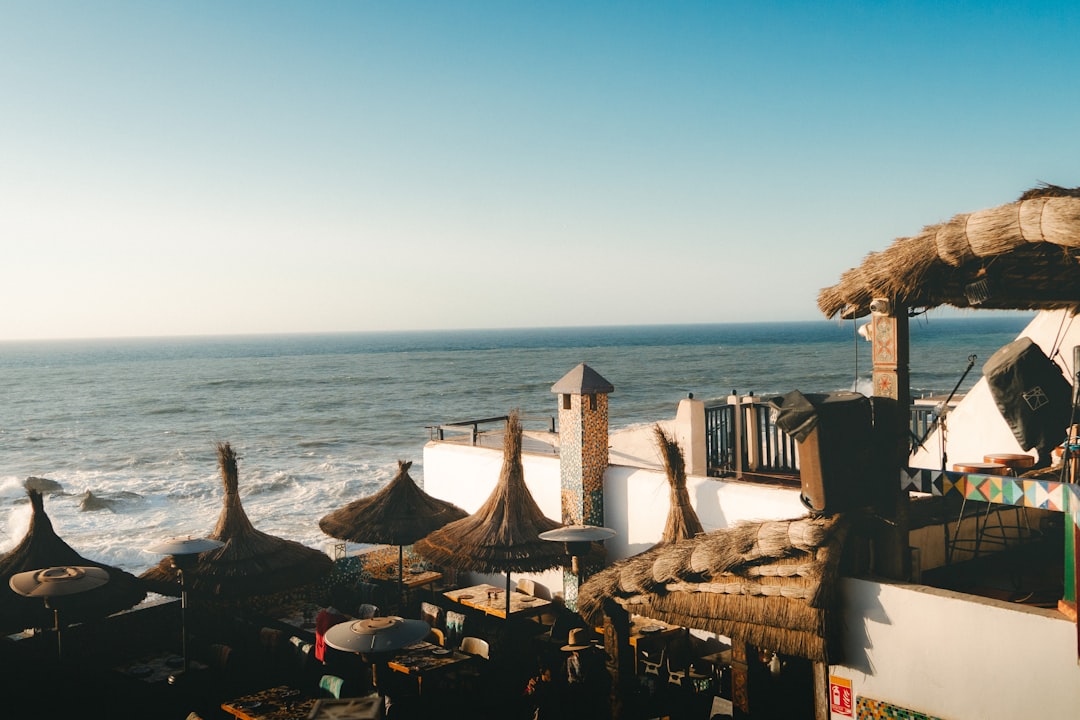
The dream is seductive: laptop open, ocean breeze gently rustling your hair, waves providing a rhythmic soundtrack to your productivity. Working from a Japanese beach café sounds like the ultimate lifestyle upgrade—and it can be, when you know how to navigate the practical realities. This isn't about Instagram fantasy shots (though you'll get plenty of those); it's about genuinely productive work in inspirational environments.
Japan's beach café scene has evolved to accommodate remote workers, but it's not universally workspace-friendly. This guide cuts through the romanticized vision to give you practical strategies for finding, evaluating, and thriving in coastal workspaces across Japan.
The Reality Check: What Works and What Doesn't
Let's address the elephant in the room: not every beautiful beach café makes a good workspace. That Instagram-perfect spot with direct sunset views might have terrible WiFi, uncomfortable seating, and a social atmosphere that makes focused work impossible. Conversely, some less photogenic locations offer excellent infrastructure and work-conducive environments.
Understanding this distinction saves you hours of frustration and helps set realistic expectations. The goal isn't finding one perfect café—it's building a rotation of locations suitable for different work modes and requirements.
The Four Work Modes
Different tasks demand different environments. Categorize your work to match appropriate café settings:
Deep Focus Work: Writing, coding, design—tasks requiring sustained concentration. Needs: reliable WiFi, minimal noise, comfortable seating, power outlets.
Communication Mode: Video calls, phone conferences, collaborative sessions. Needs: quiet spaces or private areas, strong internet, background that looks professional on camera.
Light Administrative: Emails, planning, research—tasks tolerating some distraction. Needs: decent WiFi, comfortable enough for extended sitting.
Creative Inspiration: Brainstorming, strategic thinking, creative work benefiting from environment. Needs: inspiring views, comfortable atmosphere, WiFi less critical.
Evaluating Workspace Suitability
When scouting potential work-cafés, assess these critical factors:
Regional Workspace Characteristics
Different coastal regions offer distinct advantages for remote workers:
🗺️ Regional Comparison for Digital Nomads
| Region | WiFi Reliability | Infrastructure | Cost Level | Best For |
|---|---|---|---|---|
| Shonan (Kamakura/Enoshima) | ⭐⭐⭐⭐⭐ | Excellent - urban proximity | ¥¥¥ | Tokyo-based nomads, day workers |
| Okinawa Main Island | ⭐⭐⭐⭐ | Good - tourist infrastructure | ¥¥ | Long-term stays, tropical setting |
| Seto Inland Sea | ⭐⭐⭐⭐ | Variable - depends on island | ¥¥ | Creative work, peaceful environment |
| Remote Islands | ⭐⭐ | Limited - bring backup plans | ¥ | Offline work, digital detox balance |
Shonan: The Digital Nomad Hub
If you're serious about combining beach lifestyle with productive work, Shonan deserves special attention. The region's proximity to Tokyo (50-70 minutes by train) attracts a substantial remote worker population, and café culture has adapted accordingly.
Why Shonan Works
Infrastructure: Urban-level internet reliability with beach atmosphere. Most cafés offer strong WiFi designed to accommodate laptop users.
Café Culture: Many establishments explicitly welcome long-stay workers during off-peak hours. Some even advertise as "work-friendly" spaces.
Community: Established digital nomad and remote worker community means networking opportunities and local knowledge sharing.
Variety: Dozens of cafés within cycling or short driving distance means you can rotate locations to avoid monotony.
Shonan Work-Café Strategies
Weekday Focus: Visit Tuesday-Thursday when locals are at traditional offices. Weekends bring crowds that make focused work difficult.
Morning Priority: Arrive when cafés open (typically 8-9 AM). You'll have first choice of tables with outlets and can establish your workspace before others arrive.
Build Relationships: Become a regular at 2-3 cafés. Staff will start recognizing you, and you'll learn each location's unspoken rules about work presence.
Seasonal Awareness: July-August brings beach crowds that transform even work-friendly cafés. Consider inland alternatives during peak summer.
Okinawa: Tropical Remote Work
Okinawa presents a different proposition—less convenient for quick Tokyo day trips but ideal for nomads planning extended stays (weeks or months).
✓ Okinawa Advantages
- Year-round comfortable weather for outdoor workspace
- Lower cost of living than mainland tourist areas
- Slower pace reduces work-related stress
- Growing expat/nomad community in Naha and Chatan
- Extended café hours during tourist season
- Unique cultural experience enhances creativity
⚠ Okinawa Challenges
- Distance from major business hubs complicates meetings
- Time zone same as Tokyo but feels more "island time"
- Typhoon season (July-September) can disrupt plans
- Some remote cafés have inconsistent WiFi
- Limited direct international flights compared to Tokyo
- Extreme summer heat makes non-AC spaces challenging
Okinawa Workspace Tips
Base Location Matters: Naha offers best infrastructure. Chatan (American Village area) has strong English-speaking community. Remote beaches trade convenience for scenery.
Monthly Rentals: Many cafés near popular beaches offer monthly workspace packages with reserved seating and guaranteed power access.
AC Considerations: April-October temperatures make air conditioning non-negotiable for all-day work sessions. Not all beach cafés have strong AC.
Backup Plans: Always have alternative workspace options. Weather changes quickly, and your beach café might become uncomfortable or unsuitable.
Etiquette for Long-Stay Work Sessions
Working from cafés for extended periods requires heightened awareness of etiquette:
🤝 The Remote Worker's Code
- Order Regularly: Purchase something roughly every 90 minutes. This isn't a strict rule but shows good faith and supports the business
- Off-Peak Priority: Schedule deep work for non-busy hours (typically 10 AM - 3 PM weekdays). Avoid occupying prime seats during lunch rush or sunset hours
- Space Consciousness: Don't spread work materials across multiple tables. Keep your footprint minimal
- Call Etiquette: Take video calls outside or in designated areas. Even with headphones, your half of conversation disrupts others
- Table Turnover: If people are waiting and you've been there 3+ hours, consider relocating or taking a break
- Ask Permission: Some cafés discourage extended laptop use during certain hours. Asking upfront prevents awkwardness
Essential Equipment for Beach Workspace Success
Beyond your laptop, certain gear dramatically improves beach café productivity:
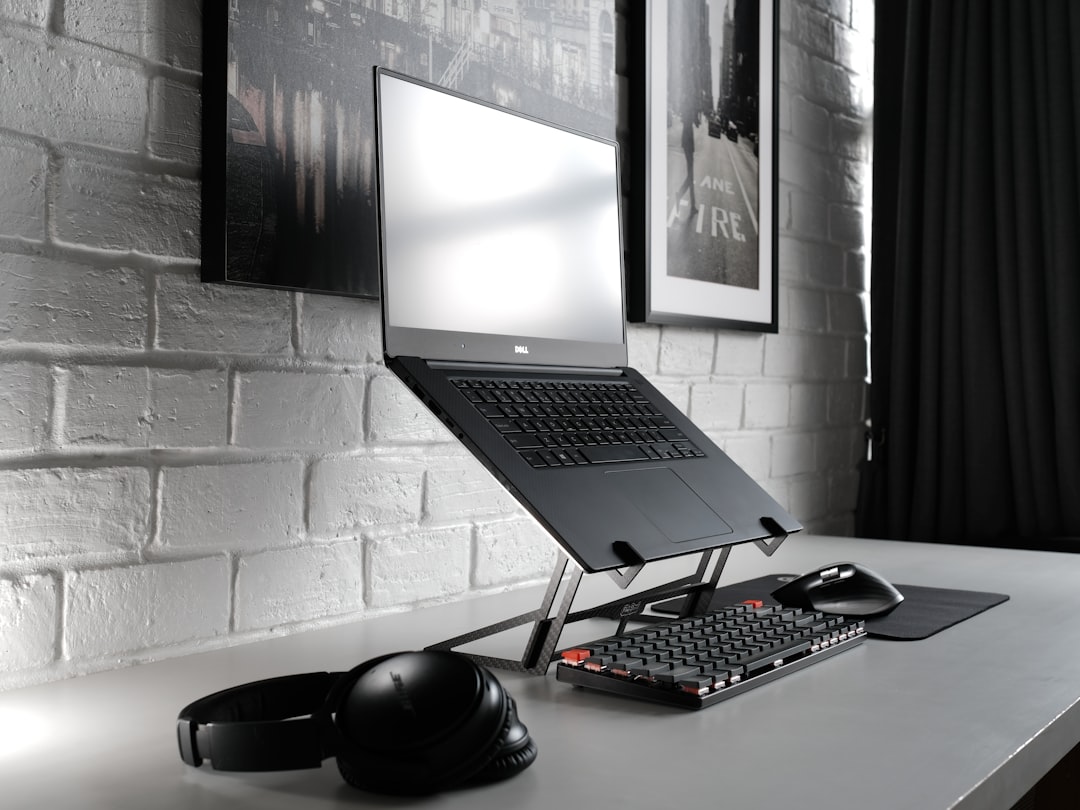
Noise-Canceling Headphones: Non-negotiable. Beach cafés have ambient noise—waves, conversations, music. Quality ANC headphones create your bubble.
Laptop Stand: Portable stands improve ergonomics significantly. Continuous laptop-only posture causes neck and back pain.
External Mouse: Trackpads on sandy tables are frustrating. Small wireless mouse solves this.
Power Bank (20,000+ mAh): For outlet-free situations or power outages. Must be sufficient for full workday.
Mobile Hotspot Device: Backup internet when café WiFi fails. Pocket WiFi rental services common in Japan.
Screen Protector/Privacy Filter: Reduces glare from sunlight and prevents shoulder-surfing in public spaces.
Microfiber Cloth: Beach environments mean salt spray and sand on your screen. Keep it clean.
Managing the Work-Beach Balance
The greatest challenge of beach café work isn't technical—it's psychological. The ocean is RIGHT THERE. Waves are calling. Sunset is happening. Maintaining focus requires intentional strategies:
⚖️ Balance Strategies
Time Blocking: Define clear work periods (e.g., 9 AM - 1 PM) and play periods (1 PM - 3 PM beach time, 3 PM - 6 PM second work block). Blurring these lines reduces both work quality and relaxation quality.
Reward System: Complete a project milestone? Earn a sunset viewing session. Finish that difficult task? Take a beach walk. External rewards help maintain discipline.
Environmental Rotation: Work in more focused indoor spaces for demanding tasks. Save ocean-view spots for lighter work or breaks. This prevents view-induced distraction during critical work.
Weekend Boundaries: Resist the temptation to work every day just because your "office" is beautiful. Sustainable remote work requires real days off.
Internet Backup Strategies
WiFi failure can derail your day. Multiple backup options are essential:
Pocket WiFi Rental: Services like WiFi Rental Japan or Japan Wireless rent mobile hotspot devices. ¥500-700/day gets you unlimited data.
SIM Card Options: If your phone is unlocked, Japanese SIM cards (Sakura Mobile, Mobal, IIJ) provide data for tethering.
Café Hopping Plan: Know 3-4 alternative cafés within reach. If one has internet issues, you can relocate quickly.
Offline Mode Prep: Always have tasks that don't require internet. Document drafting, local file organization, strategic planning—all possible offline.
Real Talk: When Beach Cafés Don't Work
Sometimes the beach café workspace fantasy fails. Recognize these situations and have alternatives:
- Client Calls Scheduled: Beach café ambient noise is too unpredictable. Use quiet coworking spaces or your accommodation
- Deadline Crunch Mode: Ocean views become dangerous distractions when urgency demands focus. Work from productivity-optimized environments
- Poor Weather: Rain, wind, or extreme heat makes beach locations impractical. Don't force it
- Connectivity-Critical Work: If you're uploading large files, participating in bandwidth-heavy activities, or need 100% reliable connection, don't risk café WiFi
Building Your Workspace Rotation
Successful beach café nomads don't rely on one perfect spot—they cultivate a portfolio of locations for different needs:
Your "Deep Work" Café: Best WiFi, comfortable seating, quieter atmosphere. This is your reliable productivity hub.
Your "Inspiring View" Café: Spectacular ocean views for creative work, strategic thinking, or rewarding yourself after completing hard tasks.
Your "Social Hub" Café: Where other remote workers gather. For days when you want human interaction and potential collaboration.
Your "Backup" Café: Alternative when your primary spots are full or closed. Always know where this is.
Your "Early Morning" Spot: Opens earliest, for when you want to start work at dawn.
Financial Considerations
Working from cafés costs money—don't underestimate this:
Daily Spend: Expect ¥2,000-3,000 ($15-22) per day in café purchases if working 4-6 hours. This includes initial order, follow-up drinks/food, and tips (rare in Japan but some tourist-heavy locations accept).
Monthly Reality: ¥40,000-60,000 ($300-450) monthly for café workspace, assuming 5 days/week. Compare this to coworking space costs (¥20,000-40,000/month for dedicated desk).
Cost Optimization: Mix café days with home/accommodation work days. Work from free spaces occasionally (hotel lobbies, public facilities). Some cafés offer monthly passes for regulars.
Final Thoughts: Making It Sustainable
The beach café digital nomad lifestyle is absolutely achievable in Japan—but it's not autopilot. Success requires treating it like the logistical operation it is: proper equipment, venue diversification, backup plans, etiquette awareness, and honest assessment of when it's working versus when it's not.
The payoff? Working with your toes literally in sand, taking surf breaks between meetings, ending your workday by watching the sunset over the Pacific. These moments don't happen by accident—they're the result of intentional planning and realistic expectations.
So research your regions, test your cafés, build your systems, and yes, absolutely enjoy those moments when everything aligns perfectly: strong WiFi, comfortable seat, beautiful view, productive work flowing. Because when it works, working from a Japanese beach café isn't just a lifestyle choice—it's a legitimate productivity strategy wrapped in one of the world's most beautiful settings.